Introduction to Open Economic Systems in MMOs
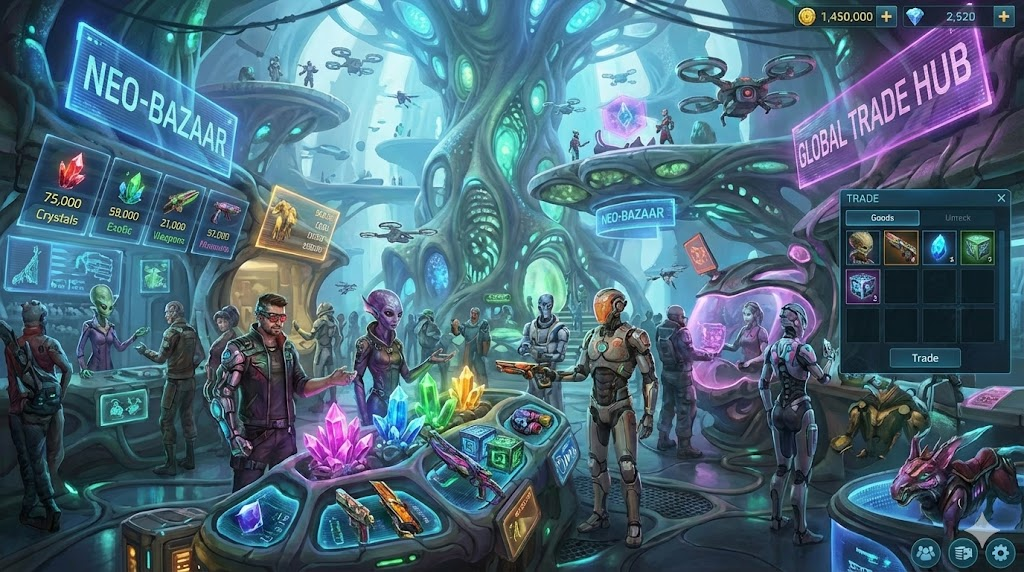
Massively Multiplayer Online (MMO) games have long been a platform for vast worlds where players can engage in combat, exploration, and social activities. However, one of the most intriguing aspects of modern MMOs is the integration of open economic systems. These systems create a digital marketplace where players can trade, buy, and sell goods or services within the game environment. Open economies give players more autonomy, providing a deeper and more engaging experience as they can directly influence the in-game market.
In this article, we will explore how open economic systems are implemented in MMO multiplayer games and what makes these environments so appealing for players.
Key Features of MMO Multiplayer Games with Open Economies
The backbone of any MMO with an open economic system is the ability for players to actively contribute to and control the in-game economy. Some of the key features include:
- Player-Driven Marketplaces: Players can create and list their own goods, from crafted items to rare collectibles.
- Dynamic Pricing: The value of in-game items fluctuates based on supply and demand, just like in the real world.
- Resource Management: In these systems, players manage their resources, whether it’s through mining, crafting, or farming, to meet market needs.
- Currency and Barter Systems: Many MMOs feature virtual currencies, while others may allow bartering between players, adding another layer of complexity to the market.
These features make the game world feel more alive, as economic activities are not restricted by NPC (non-playable character) systems. The interactions between players shape the flow of currency and goods.
The Impact of a Player-driven Economy in MMOs
The shift from NPC-driven economies to player-driven ones has profound implications on gameplay. In games with open economies, players hold significant power over the game world. This impact can be seen in several ways:
- Economic Freedom: Players can choose to specialize in certain professions or trades that align with their interests, adding variety and depth to the gameplay experience.
- Social Interaction: Trading and negotiations with other players encourage collaboration and competition. This creates a dynamic social environment that enhances the overall experience.
- Supply and Demand: Unlike static NPC-driven stores, the prices of goods in a player-driven economy are subject to changes based on the community’s activity, which can result in volatility or growth, mirroring real-world economics.
This level of involvement creates a more personal connection to the game world, as players see their actions directly influence the virtual economy.
The Role of Trading and Currency in Open Economy MMOs
In MMO games with open economies, trading and currency play crucial roles in shaping the in-game experience. There are several types of currency used in these games, such as:
- In-Game Currency: This is the most common form of exchange in MMOs, with players earning currency through activities such as quests, battles, or crafting. The virtual currency can then be used to purchase items, services, or upgrades.
- Specialized Currencies: Some MMOs introduce secondary currencies for specific goods or services, like rare items or premium content.
- Bartering: In some cases, currency is replaced with bartering systems, where players exchange goods directly without the need for an intermediary currency.
The design of trading systems also varies. Some MMOs feature marketplaces where players can list their goods for others to buy, while others may allow players to trade directly, creating more personalized transactions.
Benefits and Challenges of Open Economic Systems in MMOs
Open economic systems in MMOs offer numerous benefits, but they also come with their own set of challenges.
Benefits
- Increased Player Engagement: Players are more invested in the game when they can affect the economy directly.
- More Realistic Simulation: The dynamic nature of the economy mirrors real-world economics, offering an immersive experience.
- Unique Gameplay Experience: Each player’s economic journey can differ based on the trades they make and the market they participate in.
Challenges
- Market Manipulation: Players may attempt to control or manipulate the market by cornering supply or hoarding items, which can lead to an imbalance in the economy.
- Economic Inequality: Some players may hoard wealth or resources, creating a disparity between wealthy players and those who struggle to compete.
- Inflation and Devaluation: Just like real-world economies, MMOs with open economic systems can suffer from inflation, where the value of currency decreases, making it harder for players to afford items.
Despite these challenges, developers continue to refine these systems to ensure balance and fair play.
Future Trends of Open Economy MMOs
The future of MMO multiplayer games with open economies looks promising, as developers explore new technologies and features to enhance the player experience. Some of the most anticipated trends include:
- Blockchain and NFTs: Some MMOs are incorporating blockchain technology to allow players to own in-game assets, including rare items or virtual property, which could be traded outside the game for real-world value.
- AI-driven Market Systems: AI could be used to predict market trends, balance resources, and even create economic simulations for players to engage with.
- Cross-game Economies: The potential for in-game economies to connect across different games or platforms could create an even larger virtual marketplace.
As these trends evolve, the role of open economies in MMOs will continue to grow, providing players with increasingly complex and rewarding gameplay experiences.
Kesimpulan
Open economic systems in MMO multiplayer games not only provide players with more agency within the game world but also add a layer of depth that enriches the overall experience. As these systems evolve, they present both opportunities and challenges for players and developers alike. For anyone interested in exploring the future of gaming, understanding how open economies shape the virtual world is crucial.
For players looking to engage in a thriving virtual economy, MMOs with open economic systems offer an exciting and immersive experience.